
Missing teeth can affect much more than the appearance of your smile. Tooth loss may make it harder to chew certain foods, speak comfortably, or maintain a natural, comfortable bite. Dental implants offer a long-term tooth replacement option designed to replace both the visible portion of a missing tooth and its root. From improving aesthetics and chewing ability to supporting bite stability and everyday oral function, implants may provide a comprehensive approach to tooth replacement.
Dental Implants Can Restore the Appearance of Your Smile
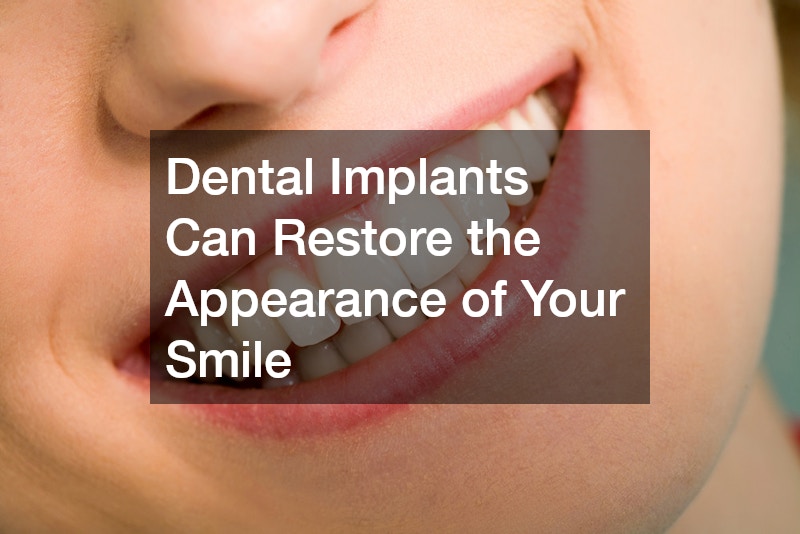
One of the most noticeable effects of tooth loss is a gap in the smile. Dental implants can help fill that gap with a restoration designed to resemble a natural tooth. Because the replacement tooth can be customized, the restoration may be created to complement the patient’s existing teeth and overall smile.
Replacing a missing tooth can help create a more complete and balanced appearance. A dental professional can consider the shape, color, size, and position of the surrounding teeth when developing the restoration. This attention to detail can help the replacement tooth blend more naturally with the rest of the smile.
A Natural-Looking Solution for Missing Teeth
The visible crown attached to an implant is designed to resemble a natural tooth. Its color, size, and shape can be selected to complement the patient’s existing teeth and create a cohesive appearance.
The result can provide a more natural-looking alternative to leaving a visible gap. While every treatment outcome is unique, customized restorations allow dental professionals to consider the individual characteristics of each patient’s smile.
Dental Implants Can Improve Chewing and Everyday Function
Missing teeth can make it more difficult to bite and chew certain foods. Depending on the location and number of missing teeth, patients may adjust the way they eat or avoid some foods altogether. Tooth loss can also make everyday oral function feel less comfortable.
Dental implants are anchored in the jaw, providing a stable foundation for a replacement tooth. This support can help the restoration remain more secure during everyday activities such as biting and chewing. Compared with some removable tooth replacement options, an implant-supported restoration may provide a more stable experience for eligible patients.
Restoring a missing tooth may also help patients use their teeth more naturally. However, the appropriate treatment option depends on factors such as the patient’s oral health, jawbone condition, and overall needs.
Dental Implants Can Help Support a More Balanced Bite
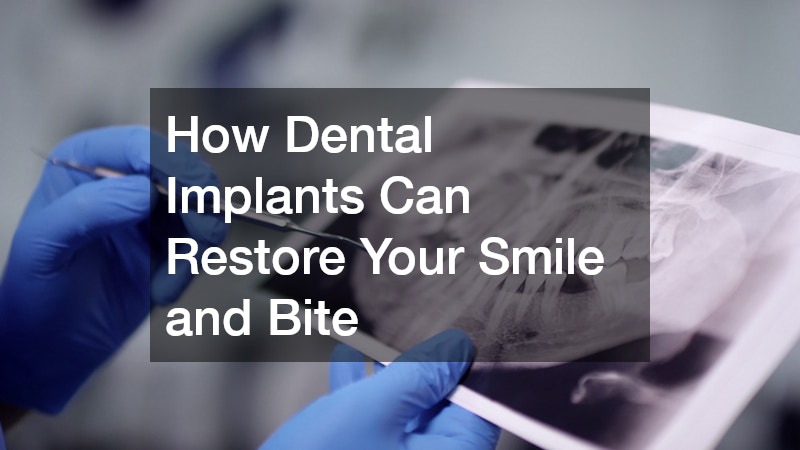
Missing teeth can affect the way the upper and lower teeth come together. When a tooth is absent, nearby teeth may gradually shift into the open space. These changes can affect the alignment of the dental arch and alter the way a person bites or chews.
Replacing a missing tooth can help restore a more complete dental arch. By filling the space, dental implants may help support the arrangement of the surrounding teeth and contribute to more comfortable oral function.
Why Replacing Missing Teeth Can Matter
Untreated tooth loss can affect more than the appearance of a smile. A gap may change a person’s chewing patterns, causing them to rely more heavily on other areas of the mouth. Over time, neighboring teeth may also shift into the space left by the missing tooth.
The effects of tooth loss can vary from person to person. A dental professional can evaluate the condition of the teeth, gums, and jaw to determine whether replacing a missing tooth may be beneficial.
Dental Implants Can Provide a Long-Term Tooth Replacement Option
Dental implants are designed to provide a durable tooth replacement solution when properly placed and maintained. Their long-term performance can depend on factors such as oral hygiene, regular dental care, and the health of the surrounding tissues.
Good oral hygiene remains important after treatment. Brushing, flossing, and attending regular dental visits can help support the health of the mouth and the tissues surrounding the restoration. Patients should also follow any care instructions provided by their dental professional.
Candidacy and treatment timelines vary from patient to patient. Some individuals may require additional treatment before receiving an implant, while others may be able to begin the process after an evaluation. Anyone considering tooth replacement should consult a qualified dental professional for an individualized assessment.
What Can Affect Implant Success?
Several factors can affect the outcome of implant treatment. Oral hygiene, jawbone health, overall health, and following post-treatment instructions may all play an important role. The condition of the gums and supporting structures may also be considered during the evaluation process.
Dental implants can help restore the appearance of a smile, improve chewing and everyday function, support a more balanced bite, and provide a durable replacement option for missing teeth. The best way to determine whether implants are appropriate is to schedule an evaluation with a qualified dental professional.