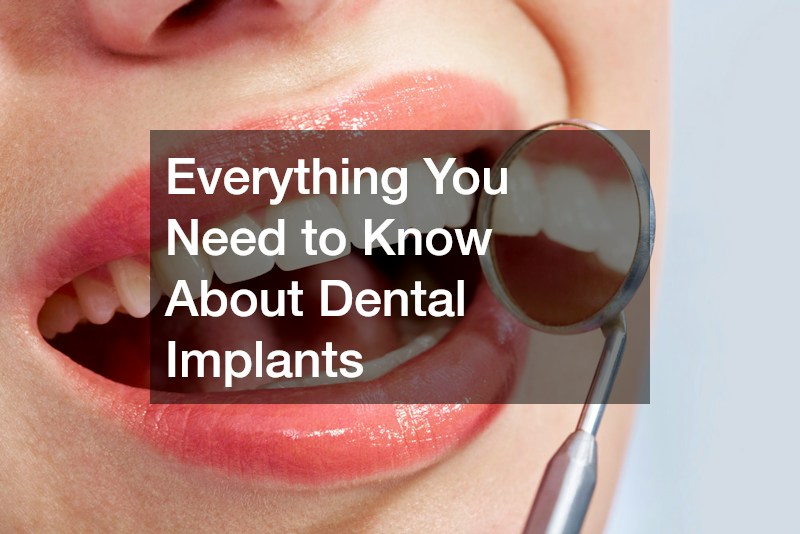

Maintaining optimal oral health involves far more than routine brushing and flossing; it requires a lifelong commitment to preserving the structural integrity of your teeth, gums, and jawbone. When adult teeth are lost due to injury, decay, or age-related wear, the surrounding oral ecosystem suffers. Tooth loss can alter facial structure, cause adjacent teeth to shift out of alignment, and complicate basic functions like speaking and chewing comfortably.
Beyond the immediate cosmetic changes, missing teeth trigger a hidden process known as bone resorption. Without the continuous mechanical stimulation provided by natural tooth roots during daily chewing, the underlying jawbone gradually begins to deteriorate in both volume and density. This loss of structural support often leads to a sunken, prematurely aged appearance around the cheeks and lower jaw. Furthermore, remaining teeth tend to drift toward the empty gap, creating uneven bite distribution, difficult-to-clean bacterial traps, and an increased risk for temporomandibular joint (TMJ) discomfort.
Restoring missing teeth is one of the most effective ways to protect long-term oral function and rebuild personal confidence. Dental implants allow patients to regain natural bite strength, prevent bone loss, and achieve a seamless, radiant aesthetic. By stabilizing the dental arch and restoring proper alignment, advanced treatments safeguard neighboring natural teeth from unnecessary wear and strain. This comprehensive guide breaks down the essential aspects of tooth replacement, structural care, custom restoration fabrication, and long-term oral maintenance to help you navigate your journey toward a healthy smile.
1. Understanding the Biological Foundations of Missing Tooth Replacement
When a permanent tooth is lost, the underlying alveolar jawbone loses the mechanical stimulation it relies on to maintain its density and volume. Over time, the body resorbs this unused bone tissue, which can alter facial proportions and cause surrounding teeth to drift into empty gaps. Replacing lost root structures is critical to stopping this progressive structural deterioration.
Choosing dental implants provides a permanent replacement solution that integrates directly with living bone tissue through a natural process called osseointegration. By acting as artificial tooth roots made of biocompatible titanium, these anchors stimulate the jawbone during chewing, preventing long-term bone loss and preserving your natural facial shape.
-
Osseointegration Process: Biocompatible titanium posts fuse directly with jawbone cells over several months to create a solid foundation.
-
Preservation of Neighboring Teeth: Unlike traditional dental bridges, single-tooth posts do not require grinding down neighboring healthy teeth for support.
-
Restoration of Full Bite Force: Secure anchorage allows patients to chew tough foods with the same stability and force as natural teeth.
-
Prevention of Premature Aging: Maintaining bone volume prevents the sunken facial appearance often associated with long-term tooth loss.
2. Navigating Cost Factors and Financial Accessibility Solutions
A major consideration for patients seeking tooth replacement is the financial investment required for high-quality care. Surgical precision, specialized materials, diagnostic imaging, and custom prosthetic fabrication all contribute to overall treatment expenses. Understanding these cost variables allows individuals to plan effectively without compromising on material safety or clinical standards.
Finding an affordable dental implant path involves evaluating multi-stage payment plans, healthcare financing options, and insurance coverage breakdowns. Many modern practices work closely with patients to package treatment phases into manageable monthly installments, ensuring top-tier restorative solutions remain accessible to everyday budgets.
-
Phased Treatment Timelines: Spreading procedures across diagnostic, surgical, and restorative stages helps distribute out-of-pocket costs over time.
-
Third-Party Healthcare Financing: Specialized payment platforms offer low-interest or interest-free monthly schedules tailored to medical procedures.
-
In-House Membership Plans: Many private clinics offer structured savings plans that reduce total costs on surgical and restorative phases.
-
Material Selection Flexibility: Patients can choose from various high-grade ceramic or titanium systems to fit their specific functional needs and budget.

3. The Role of Advanced Craftsmanship in Prosthetic Fabrication
Creating a replacement tooth that seamlessly matches the color, translucency, and contour of a patient’s natural teeth requires a blend of clinical expertise and fine artistic craftsmanship. Once a surgeon places an anchor post, precise digital impressions or physical molds are sent to specialized manufacturing facilities where custom crowns, bridges, or full-arch prosthetics are constructed.
Partnering with certified dental laboratories ensures that every custom restoration is crafted using durable, biocompatible materials like solid zirconia or lithium disilicate. Experienced technicians utilize high-resolution digital scanning and computer-aided design (CAD) to sculpt crowns that align perfectly with the patient’s existing bite alignment.
-
Digital CAD/CAM Milling: Automated high-precision milling blocks sculpt custom ceramic crowns to exact micrometer measurements.
-
Custom Shade Matching: Dental technicians hand-layer ceramic tints to match the subtle shade variations and translucency of surrounding teeth.
-
High-Strength Zirconia Restorations: Modern monolithic zirconia materials provide incredible fracture resistance for heavy-chewing molar teeth.
-
Rigorous Quality Inspections: Every prosthetic undergoes detailed margin and occlusion testing before being shipped back for final placement.
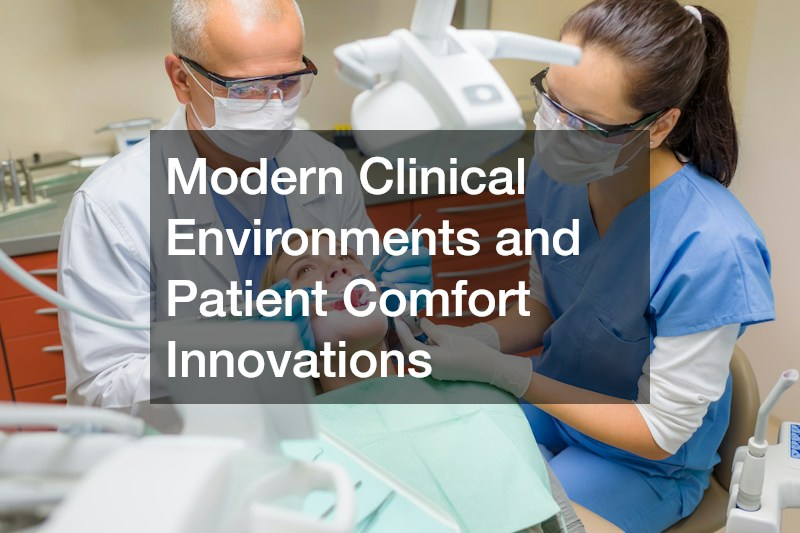
4. Modern Clinical Environments and Patient Comfort Innovations
The physical environment where surgical and restorative care takes place significantly influences patient comfort, safety, and clinical outcomes. Modern clinical suites are built from the ground up with advanced ergonomic layouts, sterile field controls, and soothing design elements aimed at eliminating patient anxiety.
From high-efficiency air filtration systems to integrated digital imaging units, a state-of-the-art dental office combines cutting-edge clinical tools with a relaxing atmosphere. These modern design standards ensure that complex surgical procedures and routine checkups are conducted efficiently under strict hygiene protocols.
-
Integrated 3D Cone Beam CT Scanners: Provides high-resolution three-dimensional views of jawbone density and nerve pathways in real time.
-
Ergonomic Patient Seating: Pressure-relieving memory foam chairs reduce physical stress during extended procedures.
-
Advanced Sterilization Centers: Dedicated negative-pressure sanitation suites ensure all reusable instruments are thoroughly sterilized.
-
Patient Comfort Amenities: Overhead monitors, noise-canceling headphones, and climate-controlled rooms help ease dental anxiety.
5. Storage Ergonomics and Clinical Workflow Efficiency
Delivering seamless surgical and restorative treatment requires immediate, organized access to thousands of specialized instruments, sterile surgical kits, and diagnostic materials. Clinical staff rely on meticulously planned workspace layouts to maintain strict infection control protocols and minimize patient time in the chair.
Installing a specialized dental cabinet system allows practitioners to organize surgical equipment in logical, color-coded compartments sealed against ambient dust and moisture. Modular storage units equipped with hands-off touchless drawers and easy-to-clean medical-grade surfaces help maintain absolute sterility throughout every procedure.
-
Medical-Grade Non-Porous Surfaces: Solid quartz or stainless steel counter surfaces prevent chemical absorption and simplify sanitization.
-
Hands-Free Drawer Mechanisms: Motion-sensor or foot-pedal opening features prevent cross-contamination during active surgical care.
-
Modular Instrument Trays: Standardized tub-and-tray storage systems ensure smooth transitions between surgical and restorative setups.
-
Integrated Waste Management: Sealed, pull-out biohazard disposal bins keep clinical prep zones clutter-free and hygienic.
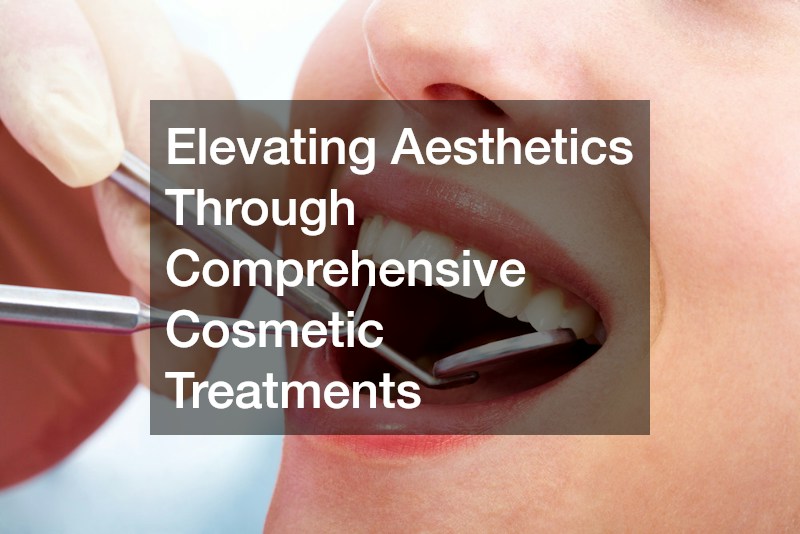
6. Elevating Aesthetics Through Comprehensive Cosmetic Treatments
While replacing missing teeth restores vital chewing functionality, many patients also seek to improve the visual symmetry, color, and balance of their smiles. Aesthetic enhancements work hand in hand with structural restorations to create a natural, harmonious appearance that boosts self-esteem.
Consulting with an experienced cosmetic dentist allows patients to combine restorative post installations with auxiliary aesthetic treatments, such as porcelain veneers, teeth whitening, or gum contouring. A comprehensive aesthetic plan considers skin tone, facial symmetry, and lip lines to craft a customized smile makeover.
-
Porcelain Veneers: Ultra-thin custom ceramic shells cover chips, deep stains, or slight gaps on front teeth.
-
Professional In-Office Whitening: High-concentration peroxide gels activated by specialized light sources brighten natural enamel by several shades.
-
Gum Line Recontouring: Precision laser therapy reshapes uneven gum tissue to balance the ratio between gums and teeth.
-
Digital Smile Design Previews: Interactive software allows patients to view digital renderings of their prospective smile before treatment begins.
7. The Evolution of Comprehensive Oral Healthcare Disciplines
The field of oral healthcare has undergone incredible technological advancements over the past few decades. Modern diagnostic tools, less invasive surgical techniques, and advanced biomaterials have transformed how practitioners preserve natural teeth and replace missing structures.
As a multi-faceted branch of medical science, modern dentistry integrates preventive care, periodontics, endodontics, and prosthodontics into cohesive treatment models. This holistic approach ensures that underlying issues, such as active gum disease or structural decay, are fully resolved before embarking on long-term tooth replacement procedures.
-
Preventive Diagnostic Screenings: Routine digital x-rays, intraoral camera scans, and periodontal probing detect early decay and bone loss.
-
Minimally Invasive Periodontal Care: Guided tissue regeneration and ultrasonic scaling eliminate subgingival bacteria to protect bone health.
-
Biocompatible Biomaterials: Synthetic bone grafts and collagen membranes support natural bone growth following tooth extractions.
-
Interdisciplinary Treatment Planning: Collaboration across oral surgery, orthodontics, and restorative disciplines ensures lasting clinical results.
8. Establishing Long-Term Preventive Partnerships Close to Home
Achieving lasting oral health requires ongoing professional monitoring and maintenance long after a surgical or restorative procedure is complete. Establishing a continuous relationship with a trusted local dental team ensures that implants, crowns, and natural teeth are regularly evaluated for wear, plaque buildup, or structural shifts.
Scheduling routine checkups with a dependable local dentist allows patients to receive personalized hygiene instruction, professional cleaning, and early interventions before minor issues turn into major complications. A familiar local practice provides long-term continuity of care tailored to your family’s unique medical history.
-
Routine Professional Cleanings: Specialized hygiene scalers remove calcified tartar deposits that regular home brushing cannot clear.
-
Periodontal Maintenance Checks: Regular measuring of gum pocket depths around posts monitors the health of surrounding soft tissue.
-
Occlusal Bite Adjustments: Periodic evaluation ensures bite pressure remains evenly distributed across natural teeth and restorations.
-
Emergency Care Access: Established patient relationships ensure rapid access to professional care during unexpected oral injuries or pain.
9. Correcting Structural Misalignment with Modern Orthodontic Appliances
Properly aligned teeth are significantly easier to clean, less prone to abnormal enamel wear, and better equipped to support long-term restorative work. When teeth are severely crowded or crooked, placing replacement anchors can be challenging due to limited spatial gaps between natural roots.
Utilizing orthodontic braces before placing permanent posts helps shift neighboring teeth back into their correct anatomical positions, creating ideal spaces for anchor placement. Modern bracket systems utilize flexible archwires and low-friction brackets to realign misplaced teeth smoothly and comfortably.
-
Traditional Metal Brackets: Durable, time-tested stainless steel brackets deliver precise force vectors to correct complex bite issues.
-
Esthetic Ceramic Brackets: Tooth-colored ceramic options blend with natural enamel for a more discreet appearance during treatment.
-
Space Opening Protocols: Custom archwire adjustments create exact millimeter-level gaps required for implant crown installation.
-
Bite Realignment: Correcting overbites and crossbites ensures even force distribution across newly installed replacement crowns.
10. Comprehensive Realignment Solutions for All Ages
Structural alignment involves more than just straightening front teeth for a pleasing appearance; it focuses on correcting the spatial relationship between the upper and lower jaws. Proper jaw alignment relieves stress on the temporomandibular joint (TMJ), reduces headaches, and prevents uneven tooth grinding.
Specialized treatments in orthodontics encompass both traditional fixed appliances and modern clear removable aligners designed to treat patients of all ages. Correcting bite alignment early in life establishes a healthy foundation, while adult alignment opens up new possibilities for full-mouth restorative overhauls.
-
Clear Custom Aligners: Smooth, virtually invisible plastic trays straighten teeth without the use of permanent wires or brackets.
-
Early Interceptive Treatment: Phase-one pediatric treatments guide expanding jaw structures to prevent severe crowding as adult teeth erupt.
-
TMJ Decompression: Aligning bite surfaces reduces unnatural friction on jaw joints, alleviating chronic facial and neck tension.
-
Post-Treatment Retention: Custom clear retainers preserve newly corrected tooth positions for a lifetime of stable function.
Restoring and maintaining a healthy, fully functional smile is a transformative journey that combines advanced surgical techniques, artistic craftsmanship, and dedicated preventive care. By addressing missing teeth with permanent biocompatible anchors, patients preserve crucial jawbone structure, regain full bite strength, and enjoy a natural appearance. When paired with comprehensive structural alignment, custom aesthetic enhancements, and consistent long-term hygiene partnerships, modern restorative solutions provide a solid foundation for a lifetime of oral health.
Furthermore, integrating advanced digital diagnostic tools—such as three-dimensional intraoral scanning and computer-guided placement—ensures that every restoration is executed with extreme precision and minimal recovery time. This seamless blend of modern technology and tailored treatment planning minimizes discomfort while maximizing the longevity of every restoration. Beyond the obvious aesthetic advantages, establishing a harmonious bite alignment reduces unnecessary mechanical strain on neighboring natural teeth, preventing premature enamel erosion, jaw joint tension, and recurring structural degradation. Ultimately, taking a proactive, comprehensive approach to your oral health safeguards your overall well-being, boosts daily interpersonal confidence, and protects your long-term financial investment. Investing in high-quality care today elevates your daily quality of life and ensures a confident, radiant smile for decades to come.