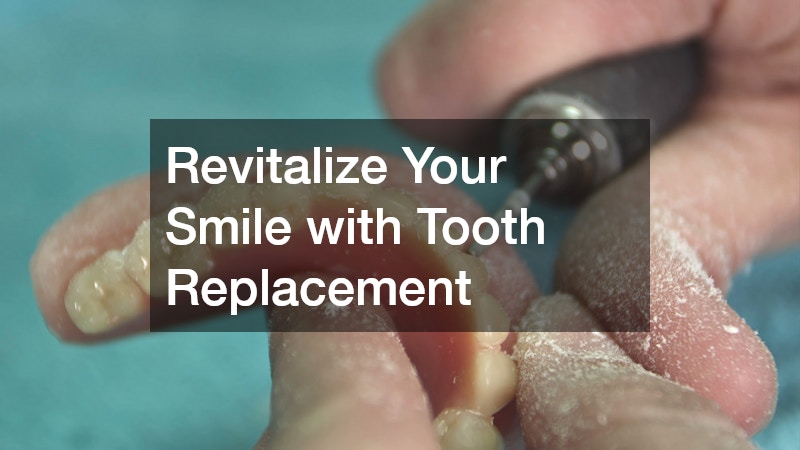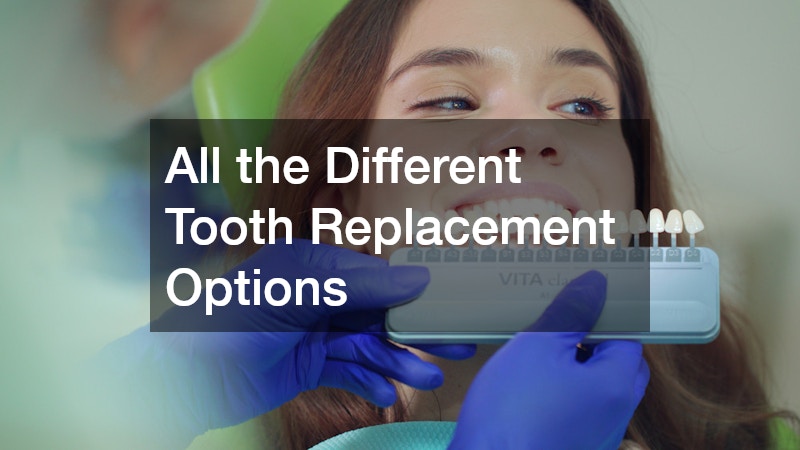

Losing a tooth can affect much more than your appearance. It can change the way you chew, speak, and even how your remaining teeth align over time. Modern tooth replacement solutions are designed to restore function, protect oral health, and rebuild confidence. Thanks to advances in dental technology, patients today have several reliable options tailored to different needs, budgets, and lifestyles.
When a tooth is missing, surrounding teeth may begin to shift into the empty space. This can lead to bite problems, jaw discomfort, and difficulty cleaning between teeth. Bone loss in the jaw can also occur because the tooth root is no longer stimulating the bone. Choosing the right tooth replacement option helps prevent these complications while restoring a natural-looking smile.
Below is an overview of the most common and effective solutions available.
Dental Implants
What Dental Implants Are
Dental implants are widely considered the most advanced and long-lasting tooth replacement option. An implant consists of a small titanium post that is surgically placed into the jawbone, acting as an artificial tooth root. After healing and integration with the bone, a custom crown is attached to complete the restoration.
Benefits of Dental Implants
Implants closely mimic natural teeth in both appearance and function. Because they fuse with the jawbone, they help prevent bone loss and maintain facial structure. They are stable, durable, and do not rely on neighboring teeth for support.
With proper care, dental implants can last for decades. They also allow patients to eat, speak, and smile with confidence, without worrying about slipping or discomfort.
Considerations
The implant process typically requires several months from placement to final crown attachment due to healing time. Candidates must have sufficient bone density and healthy gums. While implants may involve a higher upfront cost, their longevity often makes them a worthwhile investment.
Dental Bridges
What a Dental Bridge Does
A dental bridge replaces one or more missing teeth by anchoring an artificial tooth to the natural teeth on either side of the gap. These adjacent teeth are reshaped and fitted with crowns that support the bridge.
Benefits of Dental Bridges
Bridges restore chewing ability and maintain the alignment of surrounding teeth. They are fixed in place, meaning they do not need to be removed for cleaning. The procedure is typically faster than implant placement and can often be completed in a few visits.
Considerations
Because bridges rely on neighboring teeth for support, those teeth must be altered even if they are healthy. Bridges do not stimulate the jawbone the way implants do, so bone loss may still occur beneath the missing tooth area over time.
Partial Dentures
What Partial Dentures Are
Partial dentures are removable appliances designed to replace several missing teeth while leaving remaining natural teeth intact. They usually consist of replacement teeth attached to a gum-colored base and may include metal or flexible clasps that hold them in place.
Benefits of Partial Dentures
Partial dentures are often more affordable than fixed options like implants or bridges. They can be a practical solution for patients missing multiple teeth in different areas of the mouth. Because they are removable, they are easy to clean.
Considerations
Some patients need time to adjust to wearing partial dentures. They may feel bulkier than fixed restorations, and clasps can sometimes be visible depending on placement. Regular adjustments may be needed to ensure a comfortable fit as the mouth changes over time.
Full Dentures
What Full Dentures Are
Full dentures replace all teeth in the upper arch, lower arch, or both. They rest on the gums and are custom-made to fit the patient’s mouth. Traditional dentures are removable and rely on suction or adhesive to stay in place.
Benefits of Full Dentures
For individuals who have lost most or all of their teeth, full dentures provide a complete smile restoration. They improve facial support, speech clarity, and the ability to chew soft foods. Dentures are generally more cost-effective than replacing each tooth individually with implants.
Considerations
Traditional dentures may shift while eating or speaking. Over time, as the jawbone naturally shrinks after tooth loss, dentures may require relining or replacement to maintain a proper fit. Some patients choose implant-supported dentures for added stability.
Implant-Supported Dentures
How They Work
Implant-supported dentures combine the coverage of a full denture with the stability of dental implants. A small number of implants are placed in the jaw to anchor the denture securely.
Benefits of Implant Support
These dentures are more secure than traditional removable dentures and significantly reduce slipping. They also help preserve jawbone density by stimulating the bone. Many patients find them more comfortable and natural-feeling.
Considerations
This option requires minor surgery to place the implants and may involve a higher cost compared to traditional dentures. However, the improved stability and function often make them a preferred choice.
Factors to Consider When Choosing a Tooth Replacement Option
Selecting the right tooth replacement solution depends on several factors, including overall oral health, bone density, budget, and personal preference. Some patients prioritize permanence and stability, making implants appealing. Others may prefer a more affordable or less invasive approach, such as dentures or bridges.
Your dentist will evaluate gum health, remaining teeth, and jawbone condition before recommending a treatment plan. Lifestyle considerations, such as smoking habits and oral hygiene routines, may also influence the best choice.
Restoring Function and Confidence
Modern dentistry offers a wide range of tooth replacement options that can restore both oral health and self-confidence. Whether replacing a single tooth or an entire arch, today’s treatments are more comfortable, natural-looking, and durable than ever before.
Addressing missing teeth promptly helps protect the surrounding teeth and jawbone while improving daily comfort. By understanding the advantages and limitations of each solution, patients can make informed decisions and achieve a smile that feels strong, functional, and complete.