Modern dentistry has evolved far beyond routine cleanings and basic treatments. Today, patients benefit from a comprehensive approach that blends prevention, early intervention, aesthetics, and advanced restorative options. Oral health plays a vital role in overall well-being, affecting everything from confidence and nutrition to long-term systemic health. Understanding the full range of dental care options empowers individuals and families to make informed decisions at every stage of life.
In the past, dental care often focused solely on treating problems as they arose, such as cavities or toothaches. While reactive care remains important, modern dentistry emphasizes proactive strategies that prevent issues before they develop. Preventive care includes regular checkups, professional cleanings, and patient education on proper oral hygiene practices. By addressing potential concerns early, patients can avoid complex procedures, reduce costs, and maintain healthier teeth and gums over the long term.
Beyond prevention, modern dental care integrates advanced restorative and cosmetic solutions that improve both function and appearance. Procedures like dental implants, orthodontic treatments, and cosmetic enhancements allow patients to restore damaged teeth, correct misalignment, and achieve a more confident smile. Technology has played a key role in this evolution, enabling dentists to deliver precise, minimally invasive treatments while enhancing patient comfort and recovery.
Additionally, modern dentistry recognizes the importance of individualized care. Each patient has unique needs influenced by age, lifestyle, and overall health. Tailored treatment plans ensure that interventions are appropriate, effective, and sustainable. Families can benefit from coordinated care that supports children’s oral health from an early age, maintains adult dental wellness, and addresses age-related concerns in older adults.
This guide will provide an in-depth look at how modern dentistry combines preventive strategies, cutting-edge treatments, and personalized care. By exploring practical tips, treatment planning insights, and long-term maintenance recommendations, readers will gain the knowledge necessary to protect their smiles and make confident, informed decisions for themselves and their families.
Building a Strong Foundation With Routine Preventive Care
Preventive care is the cornerstone of long-term oral health. Regular visits help identify issues early, reduce the risk of complex procedures, and reinforce healthy habits that protect teeth and gums over time.
A skilled dentist doesn’t just treat problems—they help prevent them. Preventive dental care focuses on maintaining oral health through consistent monitoring, professional cleanings, and patient education.
Key components of effective preventive care include:
-
Routine examinations: These allow early detection of cavities, gum disease, enamel wear, and oral health changes.
-
Professional cleanings: Removing plaque and tartar buildup reduces the risk of decay and inflammation.
-
Oral cancer screenings: Early detection can significantly improve outcomes.
-
Preventive treatments: Fluoride applications and sealants provide added protection against cavities.
Actionable tips for patients:
-
Brush twice daily with fluoride toothpaste and floss once a day.
-
Replace your toothbrush every three to four months.
-
Limit sugary foods and acidic beverages.
-
Stay hydrated to support saliva production, which naturally protects teeth.
Consistent preventive dental care reduces the likelihood of emergencies and preserves natural teeth for as long as possible.
What to Look for in a Well-Rounded Dental Practice
Choosing the right dental office is one of the most important decisions patients can make for their oral health. A well-rounded practice offers more than treatments—it provides education, comfort, and continuity of care. The relationship you build with your dental team can influence how comfortable you feel during appointments, how motivated you are to maintain good oral hygiene, and how confident you feel about treatment decisions.
A modern dentist works within a practice that prioritizes patient experience, technology, and communication. The environment and systems in place directly impact care quality and outcomes. From appointment scheduling to follow-up care, a practice that emphasizes organization and efficiency ensures that patients receive timely, consistent attention.
Signs of a patient-focused practice include:
-
Up-to-date diagnostic tools such as digital X-rays and intraoral cameras
-
Clear explanations of treatment options and costs
-
Emphasis on prevention rather than reactive care
-
Clean, organized, and welcoming treatment spaces
-
Compassionate, attentive staff who take the time to answer questions
Questions to ask when choosing a provider:
-
How are treatment plans explained and customized?
-
What options are available for anxious patients?
-
How does the office handle emergencies or after-hours concerns?
-
Are preventive services emphasized for long-term care?
-
What technologies or methods are used to minimize discomfort during procedures?
Visiting a dental office before committing to care, such as scheduling a consultation or a routine cleaning, can provide insight into the practice culture. Observing staff interactions, patient flow, and office cleanliness can help ensure you select a dental practice that aligns with your values, supports your health goals, and fosters a trusting relationship for years to come.
Enhancing Your Smile While Protecting Oral Health
Smile enhancement is no longer just about appearance—it’s about balancing aesthetics with oral function and health. A cosmetic dentist focuses on treatments that improve symmetry, color, and alignment while maintaining strong teeth and gums. Modern cosmetic dentistry combines artistry with science, ensuring that enhancements look natural, function properly, and last for years when maintained correctly.
Cosmetic procedures can boost confidence, but they should always be approached with a long-term perspective. Treatments are most successful when combined with healthy oral habits and ongoing care. Patients who maintain a consistent oral hygiene routine and follow professional guidance are more likely to enjoy lasting results without compromising overall dental health.
Common cosmetic goals include:
-
Brightening stained or discolored teeth
-
Correcting uneven spacing or minor alignment issues
-
Repairing chipped, worn, or irregular teeth
-
Creating a more balanced smile shape
-
Replacing missing teeth with aesthetically pleasing restorations
Tips for maintaining cosmetic results:
-
Avoid tobacco products and excessive staining foods or drinks such as coffee, tea, and red wine
-
Use a night guard if you grind your teeth or clench your jaw
-
Maintain regular cleanings and checkups to prevent decay or gum disease that could affect cosmetic work
-
Follow post-treatment care instructions carefully, including any specific oral hygiene products recommended by your dentist
-
Consider touch-up treatments, such as whitening or minor adjustments, to preserve your desired appearance
By integrating cosmetic enhancements with preventive care and healthy habits, patients can enjoy a confident, radiant smile while protecting the long-term health and function of their teeth and gums. Cosmetic dentistry should always support overall oral wellness, not replace it.
Straightening Teeth as an Adult Without Disrupting Your Lifestyle
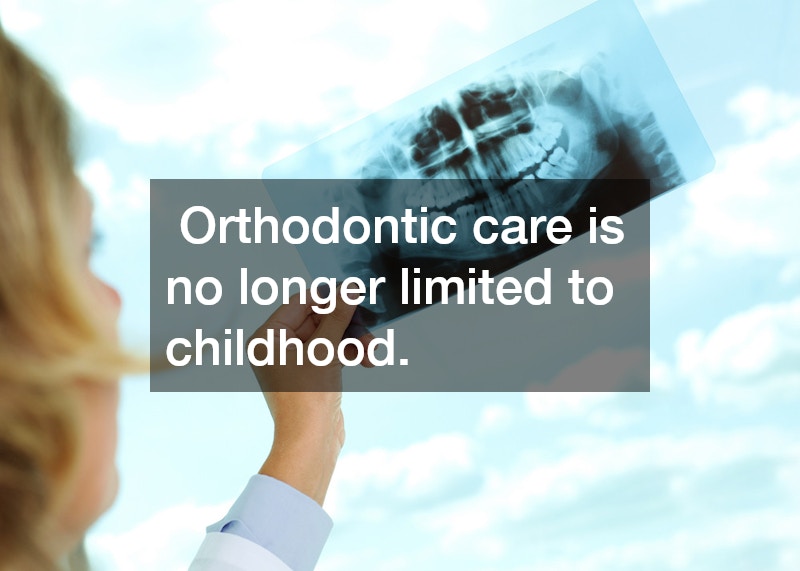
Orthodontic care is no longer limited to childhood. Adults now have more flexible and discreet options to correct alignment issues without interfering with daily responsibilities.
Adult invisalign and braces both offer effective solutions, but choosing the right option depends on lifestyle, complexity, and personal preferences.
Key considerations for adult orthodontic treatment:
-
Discretion: Clear aligners offer a low-visibility option.
-
Flexibility: Removable aligners allow easier eating and cleaning.
-
Effectiveness: Traditional braces may be better for complex alignment issues.
-
Commitment: Consistent wear and follow-up are essential for success.
Tips for success during treatment:
-
Maintain excellent oral hygiene to prevent staining and decay.
-
Follow wear-time guidelines closely.
-
Attend scheduled adjustment appointments.
-
Protect appliances during physical activity.
Straightening teeth in adulthood improves not only appearance but also bite function and long-term oral health.
Restoring Missing Teeth for Comfort and Confidence
Replacing missing teeth is critical for maintaining oral structure, bite balance, and daily comfort. Dental implants offer a durable and natural-feeling solution that supports both function and appearance.
Unlike removable options, implants integrate with the jawbone, helping prevent bone loss and shifting of surrounding teeth.
Benefits of implant-based restoration include:
-
Improved chewing efficiency
-
Enhanced speech clarity
-
Long-term stability
-
Preservation of facial structure
Factors that influence implant success:
-
Overall oral and gum health
-
Adequate bone density
-
Commitment to oral hygiene
-
Regular professional monitoring
Proper planning and ongoing care help ensure implants remain a reliable solution for many years.
Planning Cosmetic Treatments With Long-Term Health in Mind
Effective cosmetic treatment planning requires a comprehensive view of oral health. A cosmetic dentist working within a well-equipped dental office can coordinate treatments that align with both aesthetic goals and functional needs.
Planning ensures treatments complement each other rather than create future complications.
Best practices for cosmetic planning include:
-
Full-mouth evaluation before treatment
-
Addressing gum health prior to cosmetic procedures
-
Sequencing treatments strategically
-
Considering long-term maintenance needs
Questions patients should ask:
-
How will this treatment affect my bite or enamel?
-
What maintenance is required long-term?
-
Are there conservative alternatives?
-
How does this fit into my overall oral health plan?
Thoughtful planning leads to results that look natural and support lasting oral health.
Supporting Children’s Oral Health From the Very Beginning
Early dental care lays the groundwork for lifelong oral health. A pediatric dentist focuses on prevention, education, and positive experiences that help children feel comfortable with dental visits.
Early exposure reduces anxiety and builds trust, making future care easier and more effective.
Key elements of pediatric oral care include:
-
Age-appropriate cleanings and exams
-
Monitoring tooth development
-
Preventive treatments such as sealants
-
Education for both children and parents
Tips for parents:
-
Schedule the first dental visit by the first birthday
-
Encourage brushing as soon as teeth emerge
-
Limit sugary snacks and drinks
-
Model positive attitudes toward dental care
Strong habits formed early reduce the likelihood of complex dental issues later in life.
Coordinating Care Across Life Stages for the Whole Family
Coordinated dental care benefits families by ensuring continuity and consistency across all ages. Working with providers who collaborate as health solutions partners helps connect oral health with overall wellness.
This approach supports preventive care, early intervention, and efficient treatment planning.
Advantages of coordinated family care include:
-
Streamlined appointment scheduling
-
Shared health history awareness
-
Preventive focus across generations
-
Improved communication between providers
How families can maximize coordinated care:
-
Keep consistent dental records
-
Schedule routine visits together when possible
-
Address concerns early
-
Reinforce healthy habits at home
Family-centered care promotes long-term health while simplifying dental management.
Making Informed Decisions About Advanced Dental Treatments
Advanced treatments require careful consideration, planning, and commitment. Whether restoring missing teeth or correcting alignment, informed decisions lead to better outcomes and satisfaction.
Patients should understand timelines, maintenance, and long-term implications before beginning treatment.
Key decision-making tips:
-
Understand all available options
-
Ask about recovery and lifestyle adjustments
-
Discuss long-term maintenance requirements
-
Consider how treatments affect overall oral health
Questions to ask before proceeding:
-
What are the expected outcomes?
-
How long will treatment take?
-
What follow-up care is required?
-
How will this impact daily routines?
Informed patients are more confident, engaged, and successful in their dental care journey.
Modern dentistry offers a wide range of solutions that support oral health from childhood through adulthood and beyond. By prioritizing prevention, understanding available treatment options, and taking an active role in care decisions, patients can protect their smiles and overall well-being. Consistent care, thoughtful planning, and healthy habits work together to create lasting results. A proactive approach ensures that oral health remains a source of confidence, comfort, and quality of life for years to come.
In addition to regular checkups and preventive care, modern dentistry emphasizes the importance of patient education. Understanding the role of proper brushing, flossing, and diet in maintaining oral health empowers individuals to take control of their own care. Educated patients are more likely to recognize early warning signs of dental issues, which can lead to earlier intervention and simpler, less invasive treatments. This proactive mindset not only protects teeth and gums but also minimizes the potential for more extensive procedures in the future, saving time, money, and discomfort.
Advancements in dental technology have also transformed the patient experience. From digital imaging and 3D scans to laser treatments and minimally invasive procedures, these innovations improve accuracy, reduce recovery times, and enhance overall comfort. Patients today can access solutions that were once unavailable or highly complex, allowing for faster, safer, and more effective outcomes. Whether it’s cosmetic enhancements that boost confidence, orthodontic solutions that improve bite and alignment, or restorative treatments that replace missing teeth, modern dentistry provides a comprehensive suite of options to meet individual needs.
Moreover, a strong emphasis on family-focused and age-appropriate care ensures that oral health is supported at every life stage. Pediatric dental care establishes healthy habits early, while adult and geriatric dentistry addresses evolving needs such as tooth wear, gum health, and restorative solutions. By combining preventive strategies with advanced treatment options, patients can maintain a functional, beautiful smile that contributes to overall health and quality of life.
Ultimately, maintaining oral health is a lifelong journey. With consistent preventive care, informed decision-making, and collaboration with trusted dental professionals, patients can enjoy the benefits of a healthy mouth well into their senior years. By embracing both proactive habits and modern dental solutions, individuals ensure that their smiles remain a source of confidence, comfort, and lasting well-being.