


Dental implant surgery is a life-changing procedure for those who have lost one or more teeth. Missing teeth can impact oral health, speech, eating habits, and self-confidence. Dental implants are designed to provide a permanent solution, restoring both function and aesthetics. Unlike removable dentures, implants integrate directly into the jawbone, creating a stable foundation that mimics the natural structure of teeth. This not only improves the ability to chew and speak clearly but also helps maintain the overall shape of the face, preventing the sunken appearance that often accompanies tooth loss.
Understanding the process—from preparation to recovery—can make the experience smoother and reduce any anxiety you might have. Many patients feel apprehensive about the surgical aspect of implants, but knowing what to expect before, during, and after the procedure can help ease concerns and ensure better outcomes. Preparation involves careful planning, medical evaluations, and consultations with a qualified dental professional, while post-operative care focuses on proper hygiene, diet, and follow-up appointments. Long-term success relies on both patient diligence and professional guidance.
This guide provides a comprehensive look at the entire dental implant journey. It covers what happens during surgery, how to prepare effectively, tips for recovery, and strategies for maintaining your implants for decades. By following this advice, patients can approach the procedure with confidence, achieve optimal results, and enjoy a fully restored smile that enhances both oral health and overall quality of life.
Understanding the Basics of Dental Implants
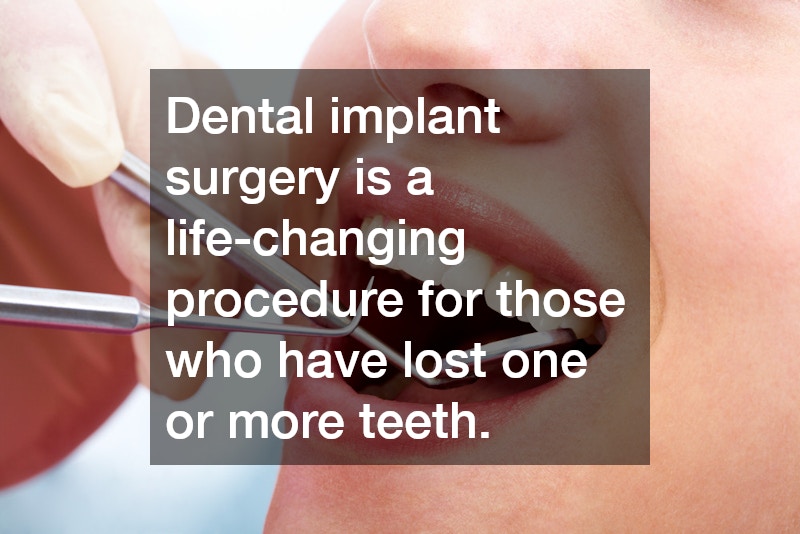
Dental implants are artificial tooth roots that provide a stable foundation for replacement teeth, such as crowns, bridges, or dentures. Unlike traditional dental services, implants integrate directly into the jawbone through a process called osseointegration, offering durability and a natural feel. This connection between the implant and bone is what allows implants to function almost exactly like natural teeth, giving patients the confidence to eat, speak, and smile without worry. Because implants become part of the jaw, they also help preserve bone density and prevent the gradual deterioration that can occur when a tooth is missing for a long period.
Key points to know about implants:
Types of implants: Single-tooth implants replace one missing tooth, while multiple implants or full-arch solutions restore several teeth simultaneously. Full-mouth options, such as implant-supported dentures, offer greater stability than traditional removable dentures and are ideal for patients with widespread tooth loss.
Surgical procedure: Dental implant surgeries involve placing a titanium post into the jawbone. Once healed, an abutment and crown are attached to complete the restoration. The healing process can take several months, allowing the implant to fuse securely with the bone before the final tooth is placed. This staged approach ensures long-term strength and success.
Suitability: Candidates should have sufficient jawbone density and healthy gums. Bone grafts may be necessary in some cases. Dentists evaluate overall health, medical history, and lifestyle habits—such as smoking—to determine if implants are the best option.
Benefits: Implants restore chewing ability, prevent bone loss, maintain facial structure, and offer long-term stability compared to dentures. They also eliminate the discomfort and maintenance challenges associated with removable prosthetics.
Understanding these fundamentals helps patients make informed decisions and sets realistic expectations for the surgical process.
Choosing the Right Dental Professional
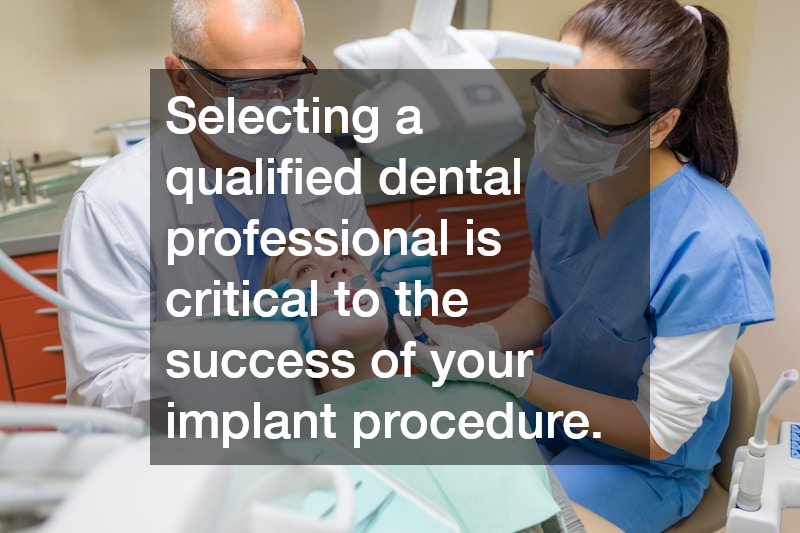
Selecting a qualified dental professional is critical to the success of your implant procedure. Not all dental offices have the specialized equipment or expertise required for complex implant surgeries.
Tips for choosing the right provider:
-
Verify credentials: Look for dentists or oral surgeons with advanced training in implant dentistry. Certifications and continuing education courses indicate expertise.
-
Assess experience: Ask about the number of dental implant surgeries performed and success rates.
-
Evaluate the office: A modern dentists office equipped with digital imaging, surgical guides, and proper sterilization ensures safety and precision.
-
Patient reviews: Reading testimonials can provide insight into patient experiences and outcomes.
-
Ask questions: Discuss anesthesia options, recovery time, potential risks, and costs before committing to surgery.
Working with an experienced dental professional reduces complications and ensures the procedure is completed efficiently and safely.
Preparing for Your Dental Appointment
Proper preparation is essential for a successful dental implant procedure. Patients should approach their appointment with a clear understanding of the steps involved and necessary precautions. Preparing ahead of time not only boosts confidence but also helps the dentist create a safe and predictable surgical environment. Every individual’s case is unique, so taking the time to organize your health information, personal needs, and expectations can make a meaningful difference in both comfort and overall results.
Actionable preparation tips:
Provide medical history: Inform your dentist about chronic conditions, medications, or allergies that may impact surgery. This includes any recent illnesses, ongoing treatments, or supplements you regularly take.
Imaging tests: X-rays, CT scans, or 3D imaging help plan the placement of implants precisely. These images allow your dentist to evaluate bone density, identify nerves and sinuses, and design a personalized treatment plan.
Discuss anesthesia: Determine whether local or general anesthesia is appropriate based on procedure complexity. Understanding the benefits and expectations of each option helps prevent surprises on the day of surgery.
Arrange transportation: You may need a ride home, especially if sedation is used. Planning this ahead of time avoids stress and ensures your safety after the procedure.
Prepare questions: Ask about post-operative care, dietary restrictions, and follow-up visits. Clarifying even small details can help you feel more in control.
Mental preparation: Reducing anxiety through meditation, deep breathing, or discussing concerns with your dentist can improve the overall experience. Many patients find comfort in walking through the process step-by-step in advance.
Being thoroughly prepared for your dental appointment ensures that the procedure proceeds smoothly and reduces potential delays or complications. It also empowers you to participate actively in your care, leading to better healing and long-term satisfaction with your dental implants.
The Surgical Procedure Explained Step by Step
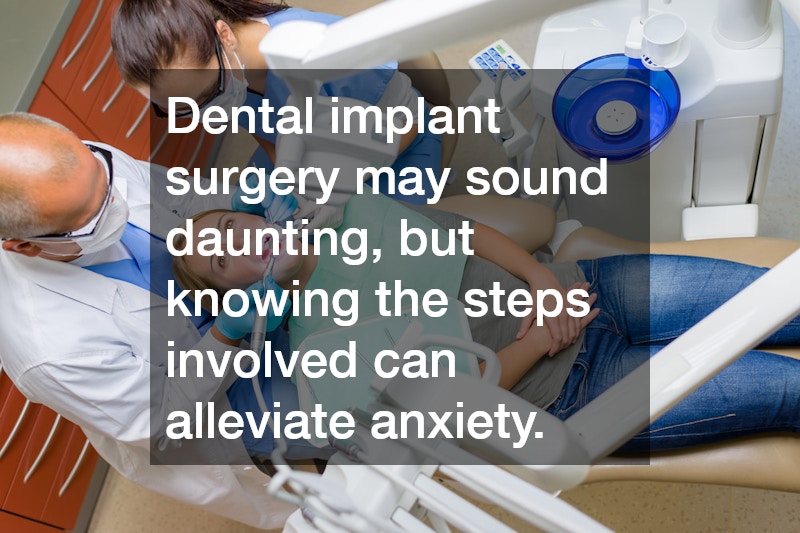
Dental implant surgery may sound daunting, but knowing the steps involved can alleviate anxiety.
Step-by-step breakdown:
-
Initial evaluation: The dentist examines your oral health and confirms the implant site.
-
Anesthesia: Local anesthesia, sedation, or general anesthesia is administered based on patient needs and procedure complexity.
-
Incision and preparation: A small incision is made in the gum tissue to expose the jawbone. The site is then drilled to create space for the implant.
-
Placement of the implant: A titanium post is inserted into the prepared site.
-
Healing period: Osseointegration occurs over several weeks to months, during which the implant fuses with the jawbone.
-
Attachment of the abutment: Once healed, an abutment is connected to the implant to hold the crown.
-
Placement of the crown: The final step involves attaching a custom-made crown that matches the surrounding teeth for a natural appearance.
Additional tips for patients:
-
Expect minor discomfort, swelling, or bruising post-surgery.
-
Follow dietary restrictions and avoid strenuous activity during recovery.
-
Use prescribed medications for pain or infection prevention.
By understanding each stage, patients can approach dental implant surgery with confidence and realistic expectations.
Special Considerations for Children and Families
While dental implants are most common in adults, pediatric dentist offices and family dentists play an important role in overall oral health planning, especially in preventing future tooth loss.
Key considerations:
-
Pediatric preventive care: Early dental visits ensure children develop healthy habits and identify potential orthodontic issues that could affect future implant eligibility.
-
Family dentist guidance: Family dentists provide care across generations, helping coordinate adult implants while maintaining preventive care for children.
-
Education: Parents can learn how to protect children’s teeth to reduce trauma or decay that might lead to adult implants later.
By integrating implant education with pediatric and family dental care, households can maintain long-term oral health for all members.
The Role of Dental Construction in Modern Implant Procedures
Modern dental offices are designed to optimize patient comfort, precision, and safety during procedures such as implant surgeries.
How dental construction impacts care:
-
Specialized surgical suites: Properly designed spaces reduce contamination risk and improve workflow.
-
Advanced equipment: Digital imaging, surgical guides, and 3D printers ensure accurate implant placement.
-
Patient comfort: Ergonomic layouts, calming design elements, and efficient patient flow enhance the overall experience.
-
Accessibility: Adequate lighting, ventilation, and sterilization areas ensure both safety and efficiency.
Investing in well-constructed dental offices supports both practitioners and patients, improving outcomes and reducing procedural complications.
Post-Surgery Recovery and Care
Recovery is a critical phase of dental implant surgery. Proper care ensures the implant integrates successfully and minimizes complications.
Post-operative tips:
-
Manage discomfort: Use pain relievers as prescribed, and apply cold compresses to reduce swelling.
-
Oral hygiene: Gently rinse with saline or antibacterial solutions; avoid brushing the surgical site initially.
-
Diet: Stick to soft foods and avoid hot, spicy, or crunchy items that could disrupt healing.
-
Follow-up appointments: Attend all scheduled visits for suture removal, x-rays, and progress evaluation.
-
Monitor for complications: Watch for signs of infection, excessive bleeding, or implant instability. Contact your dental office immediately if issues arise.
A structured recovery plan ensures long-term implant success and overall oral health.
Long-Term Maintenance for Dental Implants
Maintaining dental implants is essential for longevity and optimal function. Unlike natural teeth, implants do not develop cavities, but the surrounding gums and bone still require care.
Tips for long-term implant health:
-
Daily oral hygiene: Brush and floss regularly to prevent gum disease and plaque buildup around implants.
-
Regular checkups: Schedule routine visits with your family dentist to monitor implants and overall oral health.
-
Avoid damaging habits: Refrain from chewing hard objects, grinding teeth, or using tobacco products.
-
Monitor bone health: Bone density and gum health should be evaluated periodically to ensure stability.
-
Lifestyle considerations: A balanced diet and hydration support tissue healing and overall dental health.
With proper care, dental implants can last decades, providing a permanent solution for missing teeth.
Understanding Legal and Safety Considerations
While rare, complications can occur during dental implant surgeries. Understanding legal and safety considerations ensures patients are protected.
Key points:
-
Risks: Infection, nerve damage, implant failure, or improper placement are potential risks.
-
Legal considerations: Personal injury law may apply in cases of malpractice or negligence. Patients should know their rights and documentation requirements.
-
Informed consent: Comprehensive explanations of risks, benefits, and alternatives must be provided before surgery.
-
Choosing reputable providers: Selecting qualified dentists or oral surgeons reduces the likelihood of errors.
Being informed about both procedural risks and legal safeguards empowers patients to make confident decisions about their care.
Tips for a Comfortable and Successful Experience
Maximizing comfort and ensuring a smooth dental implant procedure involves preparation, communication, and planning.
Actionable tips:
-
Plan ahead: Arrange transportation, meals, and time off work for both surgery and recovery.
-
Manage anxiety: Techniques such as meditation, music, or sedation options can help ease nerves.
-
Communicate openly: Discuss pain management, post-op expectations, and follow-up schedules with your dentist.
-
Leverage office support: Modern dental offices provide amenities such as comfortable seating, patient education, and assistance throughout the process.
-
Track progress: Maintain records of dental appointments, imaging, and treatment plans to monitor long-term success.
A proactive approach ensures a positive experience and supports optimal results.
Dental implant surgery is a transformative solution for replacing missing teeth, improving both function and confidence. By understanding the procedure, preparing thoroughly, and following post-operative care instructions, patients can achieve long-lasting, successful results. Working with qualified professionals, maintaining proper hygiene, and attending regular checkups are essential for the longevity of implants. Taking the time to learn about each phase—from preparation to recovery—reduces anxiety, ensures a smoother process, and ultimately leads to healthier teeth and a more confident smile.
In addition to the immediate benefits of restored function and appearance, dental implants offer long-term advantages that extend beyond oral health. Properly cared-for implants help preserve jawbone integrity, preventing the bone loss that often occurs with missing teeth. This not only supports the natural structure of the face but also contributes to overall oral stability, making it easier to maintain other teeth and dental work. Furthermore, implants provide a secure foundation for chewing and speaking, allowing patients to enjoy a wider variety of foods and communicate clearly without the discomfort or slipping that can occur with traditional dentures.
Patient education is also a critical component of long-term success. Understanding the importance of daily oral hygiene, recognizing early signs of potential complications, and maintaining regular dental visits ensures that any issues are addressed promptly. In addition, staying informed about lifestyle factors—such as diet, smoking, and habits like teeth grinding—can further enhance implant durability. Patients who actively engage in their oral health care often experience fewer complications and enjoy their results for many years.
Ultimately, dental implants represent an investment not just in your smile, but in your overall quality of life. By combining professional expertise, careful preparation, diligent aftercare, and a proactive approach to oral health, patients can maximize the benefits of their dental implants. This holistic approach ensures that implants remain functional, aesthetically pleasing, and a source of confidence for decades to come.